Lower Clapton move routes: Springfield Park to Hackney Marshes
Posted on 22/05/2026
If you are planning a move across Lower Clapton and trying to work out the smartest route between Springfield Park and Hackney Marshes, you are not alone. On paper it sounds simple: a short journey across a familiar part of East London. In reality, a move can involve narrow residential streets, parking pressure, awkward building access, and the usual problem of trying to carry a sofa when the lift has other ideas. This guide breaks down Lower Clapton move routes: Springfield Park to Hackney Marshes in plain English, so you can plan better, lift less, and avoid the kind of moving-day surprises nobody wants.
Whether you are shifting a flat, moving student gear, relocating a few heavy items, or booking a van for a same-day job, the route matters. Timing matters too. And small decisions, like where the vehicle can stop or whether you pack by room, can make the difference between a smooth move and a stressful one. Let's get into it properly.
Why Lower Clapton move routes: Springfield Park to Hackney Marshes Matters
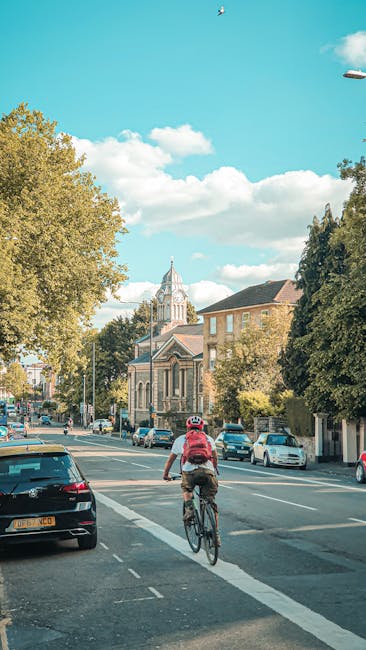
A moving route is more than just a line on a map. In Lower Clapton, it shapes how long the job takes, how much physical effort is involved, and whether the day feels under control or slightly chaotic. Springfield Park and Hackney Marshes sit within a busy part of East London where local traffic patterns, school run periods, weekend park visitors, and parking restrictions can all affect a move.
For local moves, the route usually looks straightforward, but the real issue is not distance. It is access. Can the removal van stop close enough to the property? Will there be space for loading without blocking traffic? Is there a one-way system, a low bridge, a tight corner, or an awkward turn that makes manoeuvring harder than expected?
Those questions matter because even a short move can become a long one if repeated trips are needed or if larger furniture has to be carried a long way to the vehicle. To be fair, that is often where the real fatigue starts: not on the road, but on the pavement.
Local route planning also affects the condition of your belongings. A badly planned handover can mean more lifting, more turning, and more chance of knocks to doors, stair rails, and item edges. If you are moving furniture, it is worth reading the practical advice in our furniture removals in Lower Clapton guide and our wider removal services in Lower Clapton overview.
How Lower Clapton move routes: Springfield Park to Hackney Marshes Works
For a local move route like Springfield Park to Hackney Marshes, the process usually follows a simple pattern: assess access, load efficiently, choose the safest practical streets, and keep the unloading side just as organised as the pick-up side. The route itself may be short, but the planning around it is what makes the difference.
In most cases, the route choice is influenced by four things:
- Vehicle access - where a van can safely stop without causing issues.
- Street width and turning space - especially important for larger vans or repeated loading.
- Traffic flow - school hours, commuter periods, and weekend footfall can all slow things down.
- Property access - lifts, stairways, front steps, shared entrances, and parking distance.
In a local move, the route is often less about taking the absolute shortest path and more about taking the most workable one. Sometimes a slightly longer drive is actually faster because it avoids a tight pinch point or a road where parking is impossible. That sounds obvious once you say it out loud, but it is the kind of thing people miss when they are in a rush.
If you are using a van-and-man style service, the route plan should fit the load plan. Heavy items go on first, fragile items should be protected and separated, and boxes should be stacked so the van can be unloaded in a sensible order. For people comparing transport options, our man and van service in Lower Clapton is a useful place to start, especially for smaller or medium-sized jobs.
Key Benefits and Practical Advantages
A well-planned local move route does more than save time. It lowers stress, reduces the chance of damage, and helps the move feel manageable. That matters a lot when you are trying to keep one eye on the kettle, one eye on the hallway, and another eye on the neighbour who is clearly waiting for you to finish so they can get out. House moves can be like that.
Here are the main benefits of planning the Springfield Park to Hackney Marshes route properly:
- Less manual carrying because the van can stop closer to the entrance.
- Lower risk of damage to furniture, walls, and bannisters.
- Better time control for building access, parking, and keys.
- Smoother coordination if multiple people are helping on the day.
- Reduced stress because the sequence of events is clearer.
There is also a financial angle. A move that takes longer than expected can increase labour time, fuel use, or the need for extra trips. Careful route planning helps keep the job tight and efficient. If you are getting quotes, you can compare options through our pricing and quotes page.
Expert summary: For local Lower Clapton moves, the best route is usually the one that protects access, reduces carrying distance, and keeps the loading sequence simple. Shorter on the map does not always mean easier in real life.
Who This Is For and When It Makes Sense
This kind of route planning is useful for more people than you might think. It is not only for full house moves. In fact, some of the trickiest local jobs are the smaller ones, because people assume they will be quick and do not plan them properly.
This article is especially relevant if you are:
- moving from a flat near Springfield Park to another part of Lower Clapton or beyond;
- relocating family furniture between homes near Hackney Marshes;
- moving student belongings and trying to keep the cost sensible;
- handling a same-day or short-notice move;
- shifting bulky items like beds, sofas, pianos, or white goods;
- looking for a man with a van solution that feels organised rather than rushed.
It is also a good fit if you are comparing whether to do it yourself or bring in help. A DIY move can work for small loads, but once you start dealing with stairs, awkward corners, or fragile items, professional support becomes more appealing. If that sounds familiar, take a look at our man with a van in Lower Clapton and house removals in Lower Clapton for a fuller service picture.
Truth be told, if you are already juggling work, children, a lease deadline, and a stack of boxes that still need labels, route planning should be one less thing on your plate.
Step-by-Step Guidance
Here is a practical way to plan a move route between Springfield Park and Hackney Marshes without overcomplicating it.
- Check both addresses first. Confirm exact access points, floor levels, entry codes, and whether there are parking restrictions.
- Map the practical route, not just the shortest one. Look for roads that are wide enough for a removal van and easy to reverse from if needed.
- Measure the awkward items. Sofa arms, mattress sizes, wardrobes, and piano dimensions can all matter more than people expect.
- Pack by priority. Put the things you need first at the front of the loading plan, not buried under lamps and book boxes.
- Protect fragile and high-value items. Use blankets, wraps, and proper box sizes. If you are packing from scratch, our packing and boxes in Lower Clapton service can help with the basics.
- Load in reverse order of unloading. What comes off first should go in last, simple as that.
- Allow for a buffer. A ten-minute delay becomes a thirty-minute delay surprisingly fast if parking is awkward or the lift is busy.
If you are moving only a few things, a removal van in Lower Clapton can be a sensible choice. For bigger family moves, a more complete removals service in Lower Clapton may be the better fit.
And yes, it really does help to label boxes clearly. A box marked "kitchen" is good. A box marked "random stuff, maybe important" is not.
Expert Tips for Better Results
These are the little things that tend to make a moving route feel easier, and they are the ones people often skip when they are tired or short on time.
1. Move heavy items early in the day
It is usually better to handle the hardest lifting while everyone is fresh. Morning loading also gives you more daylight and a little more patience, which, let's face it, can be in short supply by late afternoon.
2. Protect the route inside the property as much as the route outside
A lot of people think about the road outside but forget the hallway inside. Stair edges, door frames, and corners can take a beating if items are not padded. Blankets, corner protection, and careful handling make a real difference.
3. Keep the essentials separate
One box for tea, kettle, chargers, toiletries, and basic documents can save a huge amount of frustration. If you have moved before, you will know the feeling of needing a phone charger at 9 p.m. and discovering it buried under three layers of books.
4. Use the right team for the right item
Some items, like pianos or large mattresses, need more than general lifting. For specialist items, our piano removals in Lower Clapton guide is worth reading, and the related blog post on moving a piano safely gives useful context.
5. Think about energy, not just speed
There is a good reason trained movers pace themselves. Good lifting technique matters, and so does not twisting under load. If you want a deeper look at safe lifting and handling, our articles on kinetic lifting and single-handed heavy lifting explain the practical side without turning it into jargon.
![A narrow, curving street in Lower Clapton with a double yellow line, leading toward a blue metal bridge and brick buildings, during daytime with overcast sky. On the left side, a weathered metal fence is covered with colorful posters advertising local events, with some posters torn or faded. Behind the fence, parts of a brick wall and some greenery are visible. The pavement on the right side is bordered by a brick wall partially covered with dense green ivy or hedge. The street appears to be used for residential or local access, evidenced by the quiet surroundings and lack of traffic. This scene is relevant to house removals and moving services, as it depicts the typical environment where furniture transport and home relocation logistics, such as loading and unloading during a move, take place, highlighting the importance of careful planning around urban street layouts. Exterior lighting ensures good visibility of all objects in the image, which could relate to the work of [COMPANY_NAME] in facilitating smooth move routes in the Lower Clapton area.](/pub/blogphoto/lower-clapton-move-routes-springfield-park-to-hackney-marshes2.jpg)
Common Mistakes to Avoid
A local move can go wrong for surprisingly ordinary reasons. Usually nothing dramatic. Just a pile of small errors that add up. Here are the ones worth watching out for.
- Assuming the shortest route is the best route. It may be tighter, slower, or less suitable for parking.
- Leaving packing until the night before. That is how breakages happen. Also how tempers flare a bit.
- Not checking access at both ends. A clear path at one address means very little if the other end has stairs, gates, or no stopping space.
- Forgetting to measure bulky items. If a sofa will not turn the corner, nobody enjoys finding out live.
- Overloading boxes. Small boxes are for books, not for turning into a brick.
- Not planning for waste and decluttering. Moving clutter from one place to another is still clutter. If you need a reset, our decluttering before relocating guide is a good starting point.
One small but important point: if you are moving from a flat, stairs and lift access can change the whole mood of the day. Our flat removals in Lower Clapton page covers the kind of access issues that often catch people out.
Tools, Resources and Recommendations
You do not need a warehouse full of equipment to move well, but the right basic tools help a lot. The trick is choosing what genuinely supports the job rather than buying a load of moving gear you will never use again.
| Tool or Resource | Why It Helps | Best Use Case |
|---|---|---|
| Furniture blankets | Protects edges, polish, and upholstery | Sofas, tables, wardrobes |
| Sturdy tape and labels | Keeps boxes secure and easy to identify | General packing and room organisation |
| Hand trolley or sack truck | Reduces strain on heavy loads | Appliances, stacked boxes, archive files |
| Mattress cover | Helps keep bedding clean and dry | Bed moves and storage between homes |
| Floor protection | Useful in shared halls or newly decorated areas | Flats and tight access points |
For larger or more sensitive items, professional support is often the better call. If you need a bit more flexibility, our same-day removals in Lower Clapton can be useful for time-sensitive moves, while storage in Lower Clapton may help if your move-out and move-in dates do not quite line up.
Household items also need item-specific care. For instance, freezers need correct preparation if they are being stored or transported; for that, see our freezer storage guide. Sofas and mattresses benefit from proper wrapping too, and our posts on sofa storage and bed and mattress relocation are useful companion reads.
Law, Compliance, Standards, or Best Practice
For most household moves, compliance is mostly about common-sense safety, responsible parking, and respecting property rules. In London, you should be careful about where a vehicle stops, how long it blocks access, and whether the area has local restrictions or permit requirements. Those details can vary, so it is always sensible to check the specific location rather than guessing.
Best practice also means making sure lifting is safe, loads are secure, and the right care is taken with shared spaces. That applies whether you are moving a single sofa or managing a full property clearance. Good removal practice should reduce risk to people, property, and nearby road users. Not glamorous, but absolutely worth doing.
It is also sensible to use a provider with clear policies around safety, insurance, and customer handling. You can review our health and safety policy and insurance and safety information if you want to understand the standards behind the service. For broader company details, about us is also worth a look.
If you are handling recyclables, unwanted items, or leftover packing waste, our recycling and sustainability page explains the general approach to responsible disposal. It is a small thing, but it helps keep the day tidy and the aftermath less annoying.
Options, Methods, or Comparison Table
Different move types need different approaches. If you are deciding how to manage a local move route between Springfield Park and Hackney Marshes, this simple comparison can help.
| Option | Best For | Pros | Trade-Offs |
|---|---|---|---|
| DIY with a car | Very small loads | Low cost, flexible timing | Limited space, more trips, more lifting |
| Van hire only | Confident movers with help | Useful capacity, cheaper than full service | You still do all loading and route planning |
| Man and van | Small to medium moves | Practical, efficient, good local knowledge | Less suitable for complex, multi-room moves |
| Full removals service | House, flat, or larger family moves | Less stress, more support, better coordination | Usually the higher-cost option |
If you are a student or moving lighter loads between term-time addresses, student removals in Lower Clapton can be a very practical middle ground. For larger property moves, the broader house removals route is usually the more sensible choice.
Case Study or Real-World Example
A typical local move might look like this. A couple in a third-floor flat near Springfield Park are moving into a property closer to Hackney Marshes. They have a bed frame, mattress, two armchairs, a dining table, six medium boxes, and a freezer they want to keep separate from the rest of the load.
At first, they think it will be a quick job. Then they realise the current building has a narrow staircase and the new place has only limited roadside stopping space. So the plan changes a bit. The bed and mattress are wrapped early. Boxes are grouped by room. Fragile items go in first-class positions, not at the top of a wobbly stack. The freezer is prepared properly before moving, which avoids last-minute mess. The route is adjusted to allow an easier drop-off point rather than chasing the shortest drive.
The move still takes effort, but the day stays manageable. Nothing heroic. Just a sensible route, the right sequence, and a team that knows when to slow down rather than rush.
That is often the reality of local moving in Lower Clapton. The best jobs are not always the flashiest ones. They are the ones that feel calm by the end.
Practical Checklist
Use this checklist if you want a clean, no-drama moving day.
- Confirm both addresses and access details.
- Check parking options at Springfield Park and Hackney Marshes ends.
- Measure large furniture and any awkward corners or stairways.
- Separate fragile, heavy, and essential items.
- Label boxes by room and priority.
- Protect mattresses, sofas, and appliances properly.
- Make sure the route is realistic for the vehicle size.
- Have keys, documents, and phone chargers close at hand.
- Plan for waste removal or decluttering before the move.
- Keep water and a quick snack nearby. Small thing, but useful.
If you want more help with getting organised before the day, our article on organising your packing for a hassle-free house move offers a structured approach that works well for local moves too.
Conclusion
Lower Clapton move routes between Springfield Park and Hackney Marshes are usually short on the map, but the success of the move depends on the details: access, loading order, parking, item protection, and whether the route suits the vehicle rather than just the postcode. Once you plan those pieces properly, the whole process becomes much easier.
That is the real lesson here. A good move is rarely about speed alone. It is about rhythm, timing, and making sure nothing unnecessary gets in the way. If you keep the route practical and the packing tidy, the day tends to look after itself.
If you are weighing up your options, start with the type of load you have, then decide how much help makes sense. And if you want to simplify things further, speak to a local team that understands Lower Clapton streets, access issues, and the realities of moving in East London. It makes a difference, honestly.
Get a free quote today and see how much you can save.
One steady step at a time, and the move gets done.