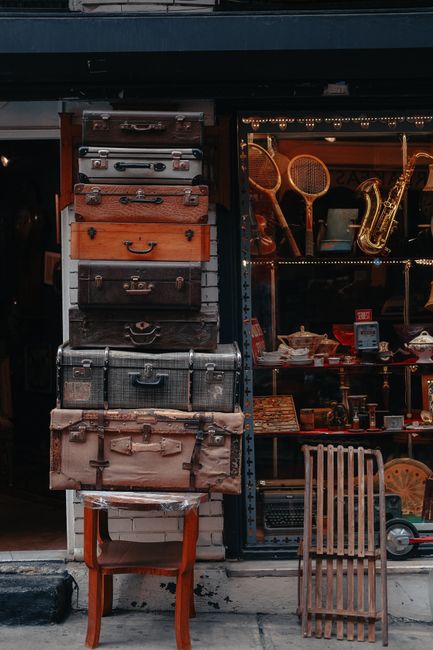
Moving antiques in Lower Clapton: insurance and liability
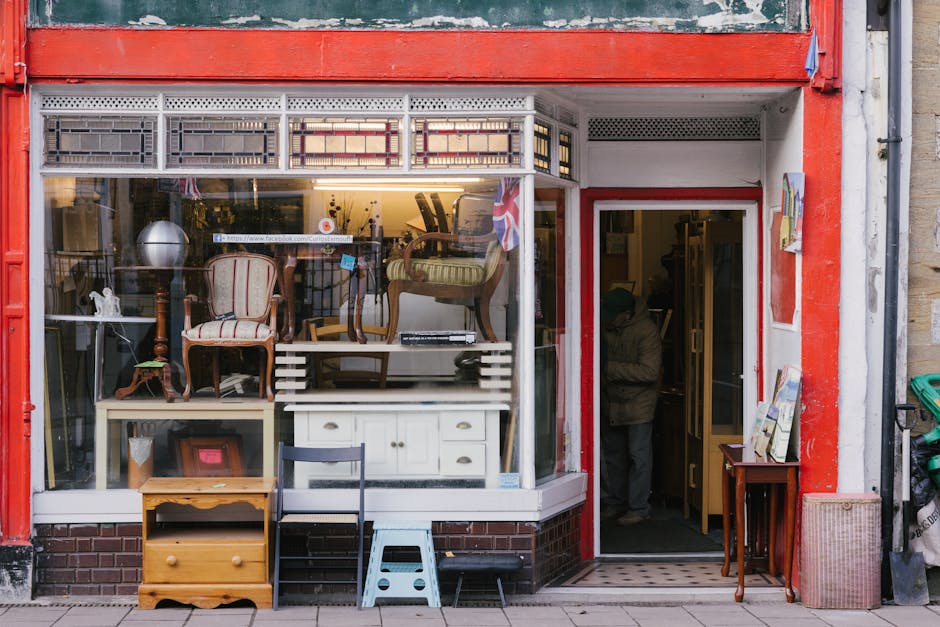
Moving an antique is not like moving a normal sideboard or a box of books. One chipped veneer, one cracked leg, one scuff on a hand-polished surface, and the whole job suddenly feels very different. If you are planning Moving antiques in Lower Clapton: insurance and liability is the bit that protects your money, your peace of mind, and the item itself. It also helps you understand who is responsible if something goes wrong, which is where a lot of confusion starts. Truth be told, this is the part people often skip until the last minute.
In Lower Clapton, where homes can be a mix of tight staircases, Victorian layouts, basement access, and those slightly awkward parking setups you only notice when a van arrives, antiques need a careful plan. This guide explains what insurance usually covers, where liability sits, what to ask before moving day, and how to avoid the kind of simple mistake that turns into an expensive headache.
Why Moving antiques in Lower Clapton: insurance and liability Matters
Antiques are awkward in a very specific way. They can be sturdy and fragile at the same time. A solid oak chest may weigh a ton, yet a loose joint, old glue line, or brittle finish can mean it needs more protection than a modern piece. That is why insurance and liability matter so much. They are not just paperwork; they shape how the mover handles the item, what happens if there is damage, and whether your claim has any realistic chance of success.
For antiques, the stakes are usually higher because replacement is not always simple. Even if something can be repaired, the restoration must be sympathetic. A rushed fix can reduce value, especially with period furniture, mirrors, clocks, ceramics, and decorative items. So, yes, cover matters. But so does clarity. If you know who is responsible for loading, transit, unloading, and access route protection, you can make better decisions before the van turns up.
There is another layer too: local logistics. In Lower Clapton, narrow hallways, front steps, communal entrances, and residential parking restrictions can all increase handling risk. A good mover should account for that. If they do not, you are the one left dealing with the consequences. Not ideal, obviously.
Expert summary: antique moving is safest when the mover, the customer, and the paperwork all agree on the same thing: what is being moved, how it is being protected, and who carries liability at each stage.
How Moving antiques in Lower Clapton: insurance and liability Works
At a practical level, the process usually starts with a survey or a detailed conversation. You describe the antiques, their condition, size, weight, access points, and any special handling concerns. That information helps the moving company decide whether it needs extra packing, more people, specialist blankets, a different vehicle, or a different approach altogether.
Insurance then comes into play in a few layers. A moving company may carry public liability insurance, which is generally about injury or property damage to third parties. It may also carry goods-in-transit cover, which is typically the relevant protection when your belongings are being transported. Sometimes there is separate cover for storage, if items are held before delivery. The exact wording matters. A lot.
Liability is the question of legal and contractual responsibility. If damage happens because of poor handling, inadequate packing by the mover, or an avoidable accident during loading, liability may sit with the mover. If an item was already unstable, badly packed by the owner, or declared incorrectly, the position can shift. That is why careful notes, photographs, and written confirmation are so useful. They reduce the grey area.
If you want a quick sense check before you book, it can help to review a mover's insurance and safety information and their terms and conditions. Those pages will not tell you everything, but they do show whether the business treats risk properly or just hopes for the best. You can usually tell the difference pretty fast.
Key Benefits and Practical Advantages
Good cover and clear liability do more than protect against worst-case scenarios. They make the entire move calmer and more controlled. That sounds a bit obvious, but in real life calm is valuable. Nobody wants to stand in a doorway at 8:10 in the morning while a fragile cabinet negotiates a tight turn and everybody is holding their breath.
- Reduced financial exposure: if damage occurs during insured transit, you are not left carrying the full loss alone.
- Clearer expectations: everyone knows what the mover is responsible for and what the customer must prepare.
- Better handling standards: movers who understand antiques usually pack, lift, and load more carefully.
- Fewer disputes: written inventories and condition notes make disagreements less likely.
- Better planning: once liability is discussed early, access problems and special packing needs are easier to solve.
There is also a practical benefit that people sometimes overlook: insurance and liability conversations tend to separate the genuine professionals from the casual operators. If someone is vague about cover, cannot explain what happens if a mirror gets damaged, or seems irritated by questions, that is useful information. Maybe not the answer you hoped for, but useful all the same.
For broader move planning, many people also find it useful to compare the scope of removal services and see whether they need full support or just a lighter-touch arrangement. Antiques often sit at the point where "just one van" is no longer enough.
Who This Is For and When It Makes Sense
This topic matters to a wide range of people, not just collectors. If you own one valuable item, that item can still justify specialist care. A single Georgian bureau, a grandfather clock, a marble-topped table, or a framed print with provenance can all need more than ordinary furniture handling.
It makes sense if you are:
- moving a family heirloom from one Lower Clapton home to another
- downsizing and need to protect a small number of valuable pieces
- moving antiques into storage or between properties
- selling or delivering antique furniture to a buyer
- moving a mixed load where antiques sit alongside standard household goods
- unsure whether a general house move policy is enough for fragile heritage items
It also makes sense if you are booking a local team through a man with van service or a more structured removal company. The bigger point is not the label. It is whether the provider understands value, fragility, and responsibility.
To be fair, some antiques are more emotionally valuable than financially valuable, and that still counts. A scratched cabinet passed down through a family can be the one thing everybody notices the moment it arrives. The value is not always on the invoice.
Step-by-Step Guidance
If you want a clean process, follow the same order every time. It saves time and reduces stress, especially when moving day is already busy enough.
- List every antique item. Include dimensions, materials, known weaknesses, and any previous repairs.
- Photograph condition before packing. Take clear images of corners, joints, surfaces, and existing marks.
- Ask the mover what cover they hold. Do not stop at "yes, we're insured." Ask what type of insurance applies and what exclusions may matter.
- Confirm liability in writing. Make sure the booking terms say who is responsible during loading, transit, and unloading.
- Agree the packing method. Some antiques should be wrapped, boxed, crated, or immobilised separately.
- Plan the route. Stairs, tight bends, lift access, and parking all affect risk.
- Check the vehicle and crew size. Heavy or delicate items may need more than one person and a suitable vehicle.
- Keep documents together. Save the quote, inventory, photos, and any special instructions.
A small detail can make a big difference. For instance, if an item has loose glass shelves, take them out before the move rather than hoping they will survive wrapped in a blanket. People sometimes skip that step because it feels fiddly. Then Monday morning arrives and, well, you know how that goes.
If the move is part of a wider home relocation, you may also want to review home moves support or broader house removals options so the antiques plan fits the rest of the job rather than sitting awkwardly beside it.
Expert Tips for Better Results
Experience tends to teach the same lesson in slightly different forms: the best antique moves are won before the van arrives. Here are a few habits that really help.
- Use condition notes, not vague descriptions. "Good condition" is not enough. Say where the chips, cracks, scratches, or repairs are.
- Keep original hardware with the item. Handles, shelves, and keys should be bagged and labelled properly.
- Don't mix packing levels. A fragile cabinet should not be treated like a stack of books. It needs its own method.
- Ask for handling limits. If a piece should not be tipped, stacked, or tilted, say so clearly.
- Protect floors and door frames too. Damage to the property can be just as awkward as damage to the item.
- Plan for the weather. A rainy Lower Clapton morning means slippery steps and damp surfaces. Common sense, but still worth saying.
Another useful tip: keep a single page with all the essentials in one place. Item list, photos, mover contact, access notes, and insurance questions. When the day gets noisy, you do not want to be hunting through messages while someone is trying to manoeuvre a walnut table through a hallway. Not the moment for improvisation.
If you want a team that already thinks in these terms, you can also look at the company's broader standards via its health and safety policy. It is a useful signal of how seriously they take planning and risk.
Common Mistakes to Avoid
Most problems with antique moves are not dramatic. They usually come from small assumptions. That is the annoying bit.
- Assuming every insurance policy is the same. It is not. A policy can exclude certain items, certain causes of damage, or poorly packed goods.
- Failing to declare value. If the mover does not know an item is high value, the risk controls may be wrong.
- Leaving packing too late. Antiques should not be wrapped in a rush between kettle boils.
- Not checking access in person. A front room may be easy; the basement stairs might be the real challenge.
- Relying on verbal reassurance alone. Friendly is nice. Written confirmation is better.
- Ignoring existing damage. If the item is already fragile, the mover needs to know exactly where and why.
A surprisingly common mistake is trying to save money by treating an antique like a normal piece of furniture. Sometimes that works. Often it does not. And when it does not, the repair costs and stress can dwarf the saving. There's no prize for being the cheapest in that situation.
Tools, Resources and Recommendations
You do not need specialist equipment for every antique move, but the right tools make the job much safer. Think about what the item actually needs, not what looks convenient in the moment.
- Soft moving blankets: useful for protecting surfaces from knocks and rubbing.
- Bubble wrap and paper wrap: helpful for smaller fragile parts, though surface sensitivity matters.
- Corner protectors: ideal for tables, frames, and cabinets with sharp edges.
- Straps and tie-downs: keep items secure in the vehicle so they do not slide around.
- Labels and markers: simple, but very useful for components, drawers, and reassembly.
- Inventory sheet: makes claims, unloading, and verification far easier.
It also helps to use a provider that clearly explains pricing, cover, and service scope up front. A transparent page such as pricing and quotes can be a useful starting point when comparing options. If the quote is vague, ask for detail. Good businesses expect that.
For people who only need a smaller move, a man and van removals setup may be enough, but only if the operator understands antique handling and can explain the insurance position clearly. If the item is very valuable, many customers prefer a more full-service approach through movers who can manage loading and protection more comprehensively.
Law, Compliance, Standards, or Best Practice
This topic sits in a practical area rather than a highly technical one, but there are still important norms to respect. In the UK, moving businesses should be clear about the cover they carry, the terms of service, and what happens if damage or loss occurs. Customers, in turn, should give accurate information and read the booking conditions carefully. That balance matters.
Best practice usually includes:
- clear written terms before the move
- accurate item description and declared value where required
- photo evidence of condition before collection
- appropriate packaging for fragile or valuable items
- safe lifting and loading procedures
- recorded handover at delivery
If you are uncertain about liability, ask whether damage would be assessed under transit cover, public liability, or customer-packing exclusions. That distinction is worth understanding, even if the wording feels a bit dry. Especially then, actually.
For an overview of how a business thinks about risk, it is also sensible to review its terms and conditions alongside the insurance page. If both documents are clear and consistent, that is a good sign. If they clash or stay vague, be cautious.
Options, Methods, or Comparison Table
There is no single right approach for every antique. The best method depends on the item's value, fragility, size, and access. This simple comparison can help.
| Approach | Best for | Pros | Watch-outs |
|---|---|---|---|
| Basic van move | Sturdy antiques with low fragility | Simple, cost-conscious, quick | Less suitable for valuable or awkward items |
| Man and van with careful wrapping | Single items or small loads | Flexible and local-friendly | Check insurance and handling experience carefully |
| Full removal service | Mixed household moves including antiques | More structured handling and loading support | May cost more, but often reduces risk |
| Specialist handling plan | High-value, fragile, or heirloom items | Best protection, clearer liability controls | Requires more planning and detail |
If you are still weighing options, think in terms of risk, not just price. A slightly more careful method can be the cheaper decision overall once you factor in time, stress, and possible repair bills. It's not glamorous, but it is sensible.
Case Study or Real-World Example
Imagine a Lower Clapton resident moving a small set of antiques from a second-floor flat to a house nearby. The items include a walnut side table, a framed oil painting, and a tall mirror with original glass. Nothing outrageous. But all three pieces have weak points.
The owner sends photos ahead of time and flags the mirror as especially delicate. The mover confirms goods-in-transit cover, explains what is excluded, and agrees that the painting will be wrapped flat, not stood upright. The side table is lightly dismantled so the legs do not take the strain of a narrow stair bend. On the day, the crew protects the hallway wall, uses blankets, and loads the mirror last so it can be unloaded first.
Nothing dramatic happens. Which is, in moving terms, a very good result. The job feels almost boring, and that is often the mark of a well-managed antique move. All the important decisions were made before the kettle cooled down.
Now compare that with the same job done without photos, without declared fragility, and with a vague "we'll be careful" attitude. If an issue occurs, everyone starts arguing about what was promised. That is where liability gets messy. Better to avoid the mess.
Practical Checklist
Use this checklist before moving antiques in Lower Clapton. It is simple, but it catches a lot of avoidable problems.
- List every antique item and note its condition
- Take clear pre-move photographs
- Tell the mover about value, fragility, and previous repairs
- Ask what insurance cover applies to your items
- Confirm who is liable during loading and unloading
- Check whether your items need specialist packing or crating
- Measure access points, stairs, doors, and corridors
- Protect floors, walls, and corners at both addresses
- Keep the quote, terms, and inventory together
- Inspect everything on delivery before signing off
If your move also includes furniture, boxes, or other household items, it may be worth checking related services such as house movers or packing and unpacking services so the antiques are handled within one joined-up plan rather than as an afterthought.
Conclusion
Moving antiques in Lower Clapton is really about control. Control over packing, control over handling, control over access, and control over liability if something does not go to plan. The more valuable or fragile the item, the more important those details become. And once you have seen how quickly an awkward corner or a loose joint can change a move, you tend not to take those details lightly again.
The good news is that most of the risk can be reduced with careful preparation. Ask the right questions, insist on clear terms, document the condition, and choose a mover who treats antiques as something worth respecting. That combination gives you a much better outcome than simply hoping for the best.
Get a free quote today and see how much you can save.
And if you do nothing else, at least make sure the first photo you take is a good one. Future you will be grateful.
Frequently Asked Questions
Does moving insurance cover antique furniture automatically?
Not always. Some movers include basic cover, while others separate transit insurance, public liability, and exclusions for customer-packed items. Always ask what applies to your specific antique before the move.
Who is liable if an antique is damaged during loading?
It depends on what caused the damage and what the contract says. If the mover handled the item carelessly, liability may sit with them. If the item was unstable or packed poorly by the customer, the position may be different.
Should I declare the value of antiques before moving day?
Yes, if the mover asks for it or if the item is especially valuable. Declaring value helps the mover assess risk, set the right handling method, and explain any insurance limits.
Is a man and van service suitable for antiques?
Sometimes, yes. It depends on the item and the operator. A man with van setup can work well for a small number of items, but only if the person understands antique handling and insurance clearly.
What should I photograph before the move?
Take pictures of the whole item, close-ups of any damage, corners, legs, joints, glass, and any previous repairs. Those images can help avoid arguments later if a claim is needed.
Do antiques need special packing materials?
Often, yes. Moving blankets, corner protectors, strong wrapping, and sometimes crates are sensible options. Fragile finishes and loose components need more than a standard blanket wrap.
What happens if my antique was already damaged?
Existing damage should be recorded before the move. That way everyone knows what was already there. It is much easier to deal with if the condition is documented from the start.
Can I rely on a quote alone to prove liability?
A quote helps, but the full picture usually comes from the booking terms, inventory, insurance wording, and any written messages about handling. Keep everything together.
Is it worth choosing a full removal service for one antique item?
Sometimes. If the item is particularly fragile, valuable, or awkward to access, a more structured service may reduce risk and stress. Price is only one part of the decision.
How do I know whether a mover really understands antiques?
Ask specific questions. How would they move the item? What cover applies? Do they separate loading from transit responsibility? A good mover gives clear, practical answers rather than vague reassurance.
What is the biggest mistake people make with antique moves?
The biggest mistake is assuming all items can be treated like standard furniture. Antiques need a different level of care, and the insurance and liability conversation should happen before lifting starts, not after.
What is the safest next step if I am still unsure?
Gather photos, item details, and access notes, then speak to a mover who can explain cover and liability in plain English. That one conversation often clears up most of the uncertainty.