Clapton Common flat moves: Lower Clapton stair solutions
Posted on 02/06/2026
Moving out of a flat near Clapton Common can feel straightforward right up until the stairs appear. Tight turns, narrow landings, awkward bannisters, and the sort of "how on earth does this sofa fit?" moment that every mover knows too well. That is where Clapton Common flat moves: Lower Clapton stair solutions really matter. The goal is not just to get items downstairs; it is to do it safely, efficiently, and without turning move day into a small disaster.
In Lower Clapton, flats often come with shared entrances, compact stairwells, and a bit of friction at the exact wrong time. This guide explains how stair solutions work, what makes them worthwhile, and how to plan a move that respects the building, the neighbours, and your own back. You will also find practical checklists, a comparison table, common mistakes to avoid, and a realistic step-by-step approach that actually helps.
Why Clapton Common flat moves: Lower Clapton stair solutions Matters
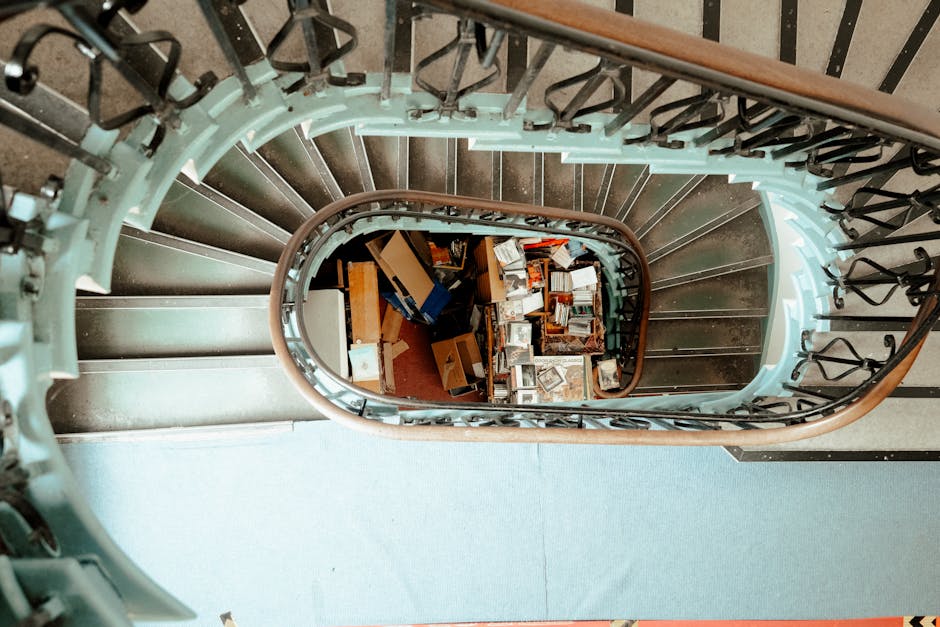
Flat moves around Clapton Common are rarely difficult because of distance. They are difficult because of access. A sofa that feels manageable in a living room can become an awkward, shoulder-bruising puzzle on a staircase that bends halfway down. A washing machine may be fine on paper, then suddenly look twice as heavy the moment you hit a narrow turn.
Stair solutions matter because they reduce risk at the exact point where risk is highest. That includes damage to furniture, damage to walls and banisters, and those quiet little injuries that seem minor at the time and are annoyingly obvious the next morning. If you have ever carried a mattress down three flights and had the spiral of the stairwell knock into your confidence, you will know the feeling.
There is also the building side of things. Many Lower Clapton flats sit in shared properties where stairways, door frames, and communal hallways need a bit of respect. Move too fast and you create friction with neighbours or managing agents. Move with a plan and the whole job feels calmer. Truth be told, that calm is worth a lot.
For many people, the real benefit is mental. Once you know how the stairs will be handled, the whole move becomes easier to organise. Packing, timing, vehicle access, and room-by-room loading all start to make sense. If the rest of the move is giving you a headache, a practical approach like the one described in this stress-free house move guide can help you keep the bigger picture in view.
How Clapton Common flat moves: Lower Clapton stair solutions Works
At a practical level, stair solutions are about planning the route before anyone starts lifting. The team looks at the staircase, the item sizes, the likely pinch points, and the safest sequence for moving objects out of the flat. In some cases, the answer is a traditional two-person carry. In other cases, it is partial dismantling, better wrapping, a different carrying angle, or simply a slower and more controlled approach.
The process often starts with an assessment of access. That might sound obvious, but it is the bit that saves the most time. Is the stairwell straight or curved? Are there low ceilings? Is there a sharp turn on the landing? Are the walls newly painted, and if so, would they show scuff marks instantly? These are the small questions that make a big difference.
Next comes item preparation. Bulky furniture may need to be loosened, wrapped, or stripped down. Beds, wardrobes, tables, and modular shelving often move far better when they are broken into smaller parts. For bed frames and mattresses, specific handling helps a lot; this is one reason many people find bed and mattress relocation tips so useful before the movers even arrive.
Then comes the actual movement. Good stair handling is controlled, measured, and very deliberate. People often imagine removals as a race. They are not. The smartest moves are usually the steady ones. A mover may pause at the landing, shift grip, rotate the item slightly, and continue. Small adjustments prevent big problems.
For especially awkward or heavy pieces, specialist lifting knowledge matters too. If you are curious about how lifting technique changes the load on the body, the article on the power of kinetic lifting explains the logic in a very down-to-earth way. Not fancy, just practical.
Key Benefits and Practical Advantages
There is a reason people search for stair solutions rather than just booking a van and hoping for the best. The value goes well beyond convenience.
- Less damage to the property: Proper routing and padding reduce the risk of scuffs, chips, and scraped corners.
- Safer lifting: Careful handling lowers the chance of strain, slips, and dropped items.
- Faster move-out flow: Even though the method is controlled, the whole process tends to run more smoothly because fewer mistakes happen.
- Better use of manpower: Good stair planning means the right number of people handle each item, instead of everyone guessing.
- Less stress: You are not improvising in the stairwell with a wardrobe wedged half-way through the door. That alone is a win.
There is also a hidden advantage: confidence. Once you know the staircase is being handled properly, you can focus on the rest of the move. Packing, keys, final cleaning, and the endless little bits all get easier when the big awkward objects are under control.
For many households, especially those moving between upper-floor flats, stair planning also protects valuable furniture. If you want to keep larger pieces in good shape, it is worth reading the practical advice on furniture removals in Lower Clapton alongside this guide.
Who This Is For and When It Makes Sense
Stair solutions are not only for huge moves or luxury furniture. They make sense for a surprisingly wide range of people and situations.
- Flat tenants moving out of upper floors where access is limited and hallway space is tight.
- Students who need a quick, efficient move with little room for error. If that sounds familiar, have a look at student removals in Lower Clapton.
- Families moving sofas, beds, wardrobes, and boxes through a shared stairwell.
- Anyone with heavy or delicate items such as a piano, freezer, or large mirror.
- People on a deadline who need a practical, same-day solution rather than a long drawn-out process.
It also makes sense if you are moving in or out of a building with awkward access rules. Some properties have narrow communal areas, limited parking, or timed entry windows. You can still move, of course. You just need a more careful plan. That is where local knowledge and a sensible approach matter more than bravado.
And if you are wondering whether you need a full service or a lighter touch, the answer depends on the load, the stairs, and your own energy levels. A good starting point is the services overview, which helps you compare what kind of support fits the day.
Step-by-Step Guidance
Here is a practical way to think about a flat move involving stairs. Nothing mystical. Just a process that keeps the work organised.
- Measure the awkward bits first. Check stair width, landing turns, ceiling height, and the dimensions of the bulkiest furniture. If a sofa or bed frame looks tight, it probably is.
- Decide what can be dismantled. Remove legs, shelves, drawers, headboards, and any loose fittings. Keep screws in labelled bags. It sounds obvious until you are hunting for them later.
- Clear the route. Move shoes, plants, bins, and anything else that could trip someone. Open internal doors and protect edges where needed.
- Pack smartly. Use sturdy boxes, don't overload them, and keep fragile items separate. If your packing still feels chaotic, the guide on organising packing for a hassle-free house move is worth a look.
- Wrap and protect furniture. Use blankets, stretch wrap, and corner protection for items likely to scrape or chip.
- Lift with a plan, not a rush. One person leads, the other supports and guides. Communicate before each turn and pause at landings.
- Load the van in a logical order. Heavy items go in first, lighter items around them, and fragile items secured so they do not shift.
- Check the property after the move. A quick look for scuffs, stray fixings, or left-behind items saves hassle later. Small final sweep, big peace of mind.
A decent moving sequence often starts the night before. If you can stage boxes near the exit, detach lamp shades, and empty drawers in advance, the stair work becomes much cleaner in the morning. By 8 a.m., it can make a world of difference. By 4 p.m., even more so.
Expert Tips for Better Results
Most stair problems are not dramatic. They are the result of tiny avoidable issues stacking up. That is why a few good habits go a long way.
- Protect corners before you need to. Don't wait until a wall is already marked.
- Use the right grip points. Many items have stronger structural areas than others. Handles are useful, but not every handle is trustworthy under load.
- Keep communication short and clear. A simple "pause," "turn," or "down" can work better than a full conversation on the stairs.
- Move one awkward item at a time. Piling on extra tasks in a narrow stairwell is how delays happen.
- Match the solution to the item. A heavy fridge is not handled the same way as a lightweight desk chair. Obvious, yes, but easy to forget in the rush.
For heavy lifting in particular, technique matters more than heroics. If something feels too unwieldy for one person, it probably is. There is no medal for trying to carry a chest of drawers down stairs with one hand and your dignity in the other. If you want a deeper look at safe solo handling, singlehanded heavy lifting mastery offers useful context, even if the best answer is still to get help.
Also, don't underestimate timing. Mid-morning moves often run more smoothly than late-afternoon scrambles because people are less tired and the building is less busy. That small detail can save you a lot of grumbling.

Common Mistakes to Avoid
Let's face it, most moving mistakes are boringly predictable. That is good news, because predictable mistakes are easier to avoid.
- Measuring the van but not the staircase. Both matter. The stairs are where many moves go sideways.
- Leaving dismantling until moving day. That tends to slow everything down when everyone is already tired.
- Underestimating weight distribution. A box that is too heavy at the bottom can be awkward on stairs and more likely to slip.
- Ignoring the route inside the flat. Hallways, door frames, and corners can be just as tricky as the staircase itself.
- Using the wrong protective materials. Thin blankets and loose wrap help less than proper furniture protection.
- Trying to force oversized items through. If it catches, stop and reassess. Forcing it usually ends badly. Sometimes comically badly, but still badly.
Another common mistake is not dealing with clutter before the move. The less extra stuff around, the easier the stair work becomes. A simple decluttering pass can change the whole mood of the day, and the guide to decluttering before relocating is a useful companion read.
One more thing: do not assume that a quick move is always a good move. Speed is helpful only when control is still intact. If the item is wobbling, the smart move is to stop. Always.
Tools, Resources and Recommendations
The right tools do not replace good judgement, but they make the job much smoother. For Clapton Common flat moves, a sensible kit usually includes:
- Furniture blankets and padding
- Stretch wrap for doors, drawers, and loose parts
- Removal straps or lifting aids where appropriate
- Trolleys or dollies for level surfaces
- Gloves with a decent grip
- Box tape, marker pens, and labels
- Corner guards or temporary protection for walls and bannisters
Some items need specialist handling. Pianos, for example, are a category of their own. If that is part of your move, it is worth reading the dedicated advice on piano removals in Lower Clapton and the related guide on moving a piano safely. The same logic applies to unusually heavy or sensitive items: plan first, move second.
Storage is another useful resource if your move-out and move-in dates do not line up neatly. A short storage gap can remove a huge amount of pressure. If that sounds like your situation, see storage in Lower Clapton.
And if you are still deciding what level of support you need, the man with a van service in Lower Clapton and the broader removal services pages can help you match the job to the right setup.
Law, Compliance, Standards, or Best Practice
For domestic flat moves, there is usually no complicated legal maze to navigate, but there are still important standards and responsibilities worth respecting. In practical terms, that means moving safely, protecting property, and being considerate in shared spaces.
Good best practice includes:
- carrying items in a way that reduces the chance of injury
- keeping communal hallways and entrances clear where possible
- protecting floors, walls, and door frames from avoidable damage
- making sure lifting and handling methods are sensible for the weight and shape of the item
- checking insurance and safety arrangements before the move if you are using a removals provider
If you are hiring help, it is wise to understand how a provider handles safety and liability. You can review the relevant policies on insurance and safety and health and safety policy. That is not just paperwork. It tells you how seriously the service approaches risk.
Payment, booking terms, and complaint routes also matter, even for a simple flat move. Knowing where you stand makes the whole thing less awkward if plans change. The pages on payment and security, terms and conditions, and the complaints procedure are all sensible places to check before you commit.
For readers who value responsible service more broadly, the company's about us, recycling and sustainability, and accessibility statement pages also help build trust. That matters, especially when your home and belongings are in someone else's hands.
Options, Methods, or Comparison Table
Not every flat move needs the same stair solution. The right method depends on the stairs, the furniture, and how much help you want on the day.
| Method | Best for | Pros | Trade-offs |
|---|---|---|---|
| DIY carry | Small loads, light furniture, short stair runs | Low cost, flexible timing | Higher risk of strain and damage, often slower than expected |
| Man and van support | Mixed flat contents, moderate stair access, local moves | Helpful balance of cost and convenience | May still need advance planning for large or awkward items |
| Full removals service | Heavier furniture, busy move days, more complex access | More hands, more coordination, less stress for you | Usually more expensive than a lighter service |
| Specialist item handling | Pianos, very heavy furniture, delicate pieces | Better protection and safer technique | Needs the right expertise and equipment |
If your flat contains a few bulky items but not a full house's worth of furniture, a partial-support approach can be very sensible. That might mean using a man and van in Lower Clapton for the transport, while handling the lighter boxes yourself. Simple, practical, and often enough.
Case Study or Real-World Example
A typical Lower Clapton move might look like this: a two-bedroom flat near Clapton Common, third floor, no lift, with a sofa, double bed, desk, dining table, and around forty boxes. Nothing unusual on paper. Then you see the staircase. Tight turn at the landing. A bannister that narrows the usable width. A hallway that means the sofa has to pivot before it even reaches the front door.
In that situation, the best outcome usually comes from a bit of preparation the day before. The bed frame is dismantled, the drawers are emptied, glass items are packed separately, and the larger furniture is wrapped. On moving day, the first load out is the easiest-to-carry stuff, so the team can clear space and create a rhythm. Once that rhythm is set, the awkward items can be handled one by one without drama.
The most noticeable difference is not speed, though that helps. It is calm. The stairwell stops being a problem and becomes just part of the route. A small thing, maybe, but it changes everything.
For moves like this, the difference between "messy" and "manageable" often comes down to the right prep. If you are still in the early planning stage, flat removals in Lower Clapton is the natural service page to explore next.
Practical Checklist
Use this checklist before the move starts. It is simple, but it catches the little things that often get forgotten.
- Measure staircase width, landings, and entrance points
- Check whether key furniture needs dismantling
- Label boxes by room and fragility
- Protect corners, bannisters, and floor edges
- Keep screws, fittings, and tools in one labelled bag
- Clear hallways, front steps, and the main route
- Arrange parking or loading access where needed
- Confirm insurance, payment, and booking details
- Set aside essentials you will need on arrival
- Do a final sweep of cupboards, drawers, and sockets
Expert summary: if the move involves stairs, treat access planning as part of the move itself, not a side issue. That one shift in mindset saves time, protects your belongings, and reduces the sort of stress that creeps up late in the day when everyone is a bit tired and nobody wants to lift another box.
Conclusion
Clapton Common flat moves are easiest when stair access is treated with proper respect from the start. The right stair solution is usually not the flashiest one. It is the one that fits the building, protects the furniture, and keeps the move steady from first box to final sweep. In Lower Clapton, where flats often come with narrow routes and shared spaces, that kind of planning is not optional, it is the difference between a smooth move and a fraught one.
Whether you are moving a sofa, a bed, a freezer, or a full flat's worth of belongings, the same principle holds: plan the route, protect the property, and choose the method that matches the load. Simple enough in theory. Much nicer in practice.
Get a free quote today and see how much you can save.
If you want to keep your move controlled and your stairs drama-free, start with the basics, ask the right questions, and take it one careful step at a time. That is usually how the best moves feel in the end: not frantic, not perfect, just quietly well handled.