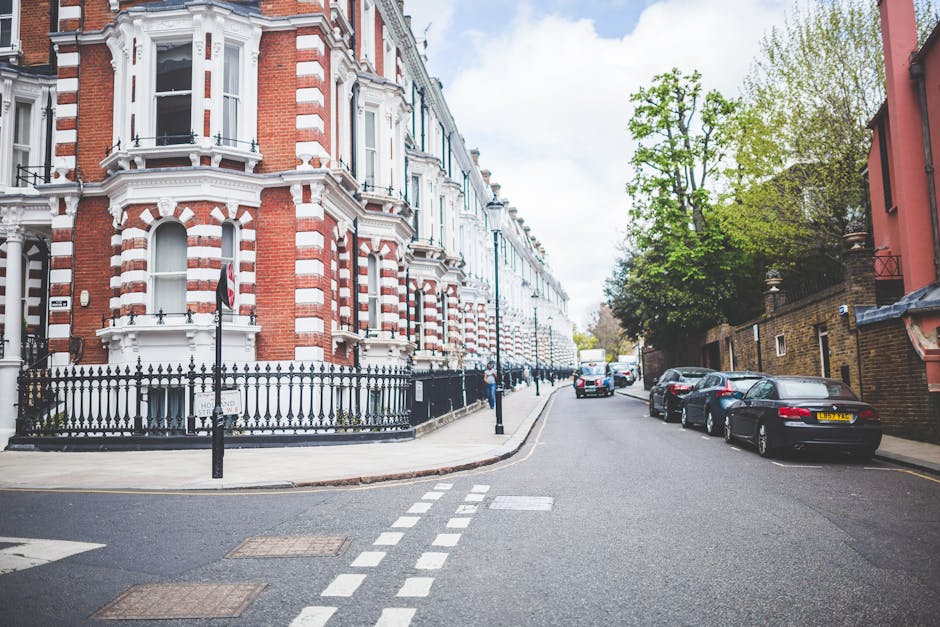
Hackney Council permits for removals in Lower Clapton
Posted on 04/07/2026
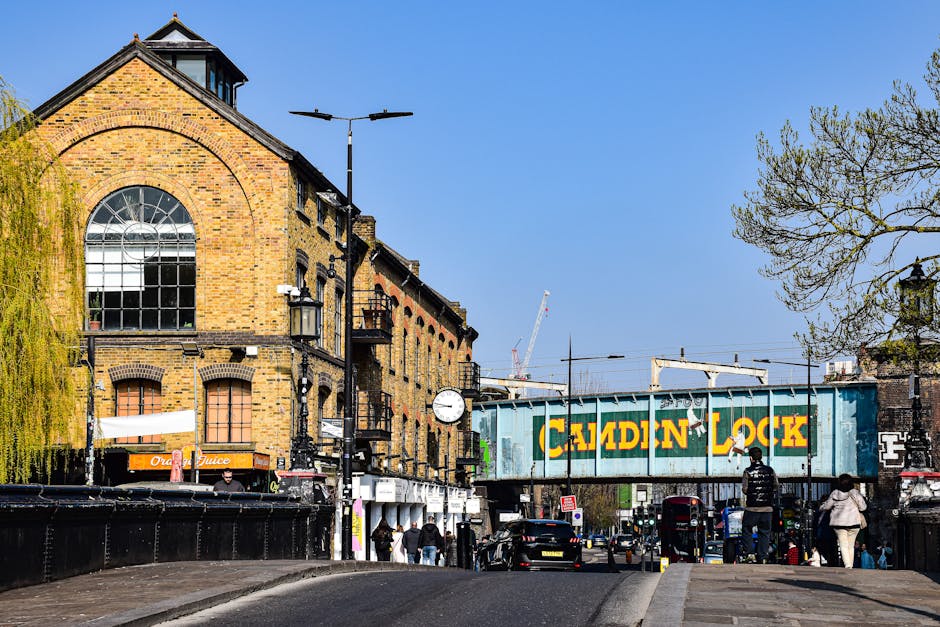
If you are moving house, flat, or office in E5, the last thing you want is a van blocked in the wrong place, a frustrated neighbour, or a move that starts with a parking fine. That is exactly why Hackney Council permits for removals in Lower Clapton matter. The permit side of a move is not glamorous, admittedly. But it can be the difference between a calm moving day and a rather awkward one.
In Lower Clapton, access can be tight, roads can be busy, and loading space is often limited. A proper parking plan helps your removals run on time and keeps the crew working safely. This guide explains how permits generally fit into a removals job, when they are worth arranging, what to check before moving day, and how to avoid the common mistakes people make when they leave parking until the last minute.
We will also look at practical steps, comparisons, and a realistic example from a local move. And if you want to make the rest of the process easier too, it helps to pair permit planning with good preparation, like decluttering before relocating and organising your packing for a hassle-free house move.
Why Hackney Council permits for removals in Lower Clapton Matters
Lower Clapton is one of those parts of east London where a move can look straightforward on paper and then become a puzzle at street level. Terraced streets, narrow side roads, shared entrances, schools nearby, commuters passing through, and the odd double-parked car all add pressure. If a removals van cannot stop close enough to the property, everything takes longer. That means more lifting, more carrying, more stress, and sometimes more cost.
A permit or parking arrangement is about more than avoiding a ticket. It is about keeping the job efficient and safe. The closer the vehicle can get, the less time staff spend carrying awkward furniture through traffic or up and down the pavement. That matters especially for heavier pieces like beds, wardrobes, fridges, or a piano. Truth be told, no one enjoys carrying a sofa half a street because the van had to park where it could find room.
There is also the neighbour factor. A planned loading bay or agreed parking setup tends to reduce friction. The move looks organised, the crew can work without rushing, and you are less likely to have somebody leaning out of a window asking whether the van is staying there all day. Not the best way to start moving day.
For people moving from flats near stairwells or tight access points, parking planning often sits alongside other preparation steps. A useful companion read is Clapton Common flat moves and stair solutions, because access challenges usually travel together. Parking and stair logistics are cousins, really.
How Hackney Council permits for removals in Lower Clapton Works
The exact permit process can vary depending on the street, the type of bay or restriction, and whether the move needs a suspended bay, a dispensatory arrangement, or simply a loading window. In plain English: the council may need to give temporary permission for the removal vehicle to use a parking space or loading area legally.
Not every move needs a formal permit, but many benefit from one. Sometimes a vehicle can load safely without it, but only if the road conditions are forgiving and the timing is sensible. More often, especially in busy parts of Lower Clapton, you will want to check in advance rather than hope for the best. Hope is not a parking strategy.
What usually matters is this:
- the exact address and road layout
- the size of the removal vehicle
- how long the van needs to remain outside
- whether there are resident bays, pay-and-display bays, single yellow lines, or loading restrictions
- whether pedestrians, cyclists, or bus routes may be affected
In practical terms, the person arranging the move should identify the access constraints early. That gives time to match the right vehicle and parking setup. If the job involves a larger van, it may be worth reviewing options such as a removal van in Lower Clapton or a more flexible man and van service, depending on the scale of the move.
One practical detail that gets missed a lot: if access is awkward, the team may need to split the job into two stages, such as a first loading run from the flat and a short shuttle to storage or the final address. If that sounds inefficient, it can actually be faster than trying to force a single large vehicle into a bad parking position. The right setup matters.
Key Benefits and Practical Advantages
Getting the parking and permit side right gives you a few very real advantages. Some are obvious, some only become obvious once you have lived through a messy move.
- Less carrying distance: The closer the van is, the less time and energy is wasted.
- Better safety: Fewer long carries reduce the risk of trips, strain, and damaged items.
- More predictable timing: The crew can plan the load with fewer interruptions.
- Lower stress: You are not scrambling for a legal stop on moving morning.
- Reduced disruption: A cleaner plan usually means fewer complaints from neighbours and passers-by.
There is a nice knock-on effect too. When parking is sorted, the rest of the move tends to feel more under control. Boxes are labelled properly, the route is clearer, and the day just feels less chaotic. Small thing, big difference.
That is why many people pair permit planning with broader move prep such as keeping calm and moving house stress-free. A calm move is often just a well-sequenced move. Nothing magical.
Expert summary: If your Lower Clapton move involves a busy road, limited curb space, or a vehicle that cannot comfortably stop outside the property, parking planning should be treated as part of the removals job, not an afterthought.
Who This Is For and When It Makes Sense
This topic matters to more people than you might think. It is not just for large households or full-house relocations. Plenty of smaller moves need the same care.
You should think seriously about permits or parking arrangements if you are:
- moving from a flat with no private parking
- living on a road where spaces turn over quickly
- using a medium or large removals van
- moving at a busy time of day, especially morning or late afternoon
- transporting bulky items that need a close loading point
- moving office equipment or several desks, chairs, and boxes
- planning a same-day move where timing is tight
Students moving in or out of shared housing also benefit from this. Student moves often look light on paper, but then there are three sets of boxes, a mattress, a desk, two suitcases, a bike, and a plant someone refuses to leave behind. It adds up.
If that sounds familiar, it may be worth looking at student removals in Lower Clapton or same-day removals in Lower Clapton for faster-moving scenarios where parking certainty becomes even more valuable.
Office moves are another one. Even if the office is small, access and parking can become the hidden time sink. For that reason, office removals in Lower Clapton often benefit from a very clear loading plan.
Step-by-Step Guidance
Here is the practical way to approach permits and parking for a removal in Lower Clapton.
- Map the property access. Look at the street outside your home. Is there a bay? A yellow line? A loading restriction? Is the pavement narrow? Do not just rely on memory.
- Measure the move properly. Think about what is coming out: beds, wardrobes, sofas, white goods, boxes, office furniture. A better estimate leads to a better vehicle choice.
- Choose the right removal setup. A compact move might suit a lighter vehicle, while a full property move may need a larger van and a more structured parking arrangement.
- Check whether a permit or parking arrangement is needed. If the van needs to stop in a restricted space or remain outside for a while, this step becomes important.
- Build in time for loading and unloading. Do not plan a van arrival five minutes before key handover and expect miracles.
- Prepare the property so the crew can work quickly. Clear hallways, separate fragile items, and leave a path to the exit.
- Confirm the move-day plan. Make sure the driver, movers, and anyone waiting at the destination all understand timing and access.
For the packing side, a helpful next step is packing and boxes in Lower Clapton, because permit planning works best when the items themselves are already organised.
And if your move involves delicate furniture, the preparations matter even more. A bed, for example, sounds simple until the frame is awkward, the mattress is bulky, and the stairwell has a very strong opinion about angles. Stress-free bed and mattress relocation is worth a look in that case.
Expert Tips for Better Results
After plenty of local moves, a few patterns become obvious. These are the small choices that save time on the day.
- Book parking planning early. Leave no room for last-minute scrambling. The week before a move can disappear quickly.
- Match the vehicle to the street. Bigger is not always better if the road is tight. A more manageable vehicle can be a smarter choice.
- Keep the loading entrance clear. One hallway full of bags can slow everything down more than people expect.
- Use better lifting technique. Good lifting reduces strain and damage. It is not just for show. The power of kinetic lifting explains why body position really matters.
- Plan around the item mix. A piano, freezer, or antique dresser changes the logistics completely.
If you are moving a heavy or awkward item, it is often worth treating it as a separate logistics problem. A piano is not just "another box but heavier." It needs its own handling plan. If that is on your list, this guide to moving your piano safely is genuinely useful.
Another sensible move is to think about storage if your access or completion timings are uncertain. Even a short delay can create chaos if the new place is not ready. A local storage option in Lower Clapton can be a pressure release valve.
One more thing, and this sounds obvious but people miss it: try to avoid asking your moving crew to improvise the parking plan on the morning itself. They can handle problems, sure, but they cannot time-travel. A bit unfair to expect that.
Common Mistakes to Avoid
Most moving headaches come from a handful of familiar mistakes. The good news? They are easy to avoid once you know what to watch for.
- Leaving parking until the day before. This is the big one.
- Assuming there will always be a space outside. In Lower Clapton, that can be a risky assumption.
- Choosing the wrong vehicle size. Too small means extra trips; too large means access problems.
- Not checking loading restrictions. A bay can look available and still be unsuitable.
- Forgetting about timing pressure. School runs, rush hour, and permit windows all matter.
- Not warning neighbours or building management. A quick heads-up can avoid unnecessary friction.
There is also the budget side. Parking mistakes can lead to delays, and delays can lead to extra labour time or rescheduling. If you want to keep the moving budget under control, it is worth reading how to avoid hidden fees in Lower Clapton removals.
Sometimes the mistake is simple overload. People try to do a full declutter, full pack, vehicle booking, and permit check all in one evening. That is how people end up with tape stuck to their sleeve and no idea where the kettle is. Break it up. Honestly, it helps.
Tools, Resources and Recommendations
You do not need a suitcase full of specialist equipment to handle a move well. But a few tools and habits make a surprising difference.
- Room-by-room inventory: Useful for estimating load size and timing.
- Colour-coded labels: Handy for fast unloading at the new place.
- Basic measuring tape: Helps with doorways, stair turns, and item dimensions.
- Protective covers and blankets: Especially helpful for sofas, mattresses, and polished furniture.
- Fitted straps and trolleys: Good for moving heavier items safely.
For practical packing support, see how to organise your packing for a hassle-free house move and the more general services overview if you want to understand how different moving needs are typically handled.
If sustainability matters to you, it is also worth planning what happens to packing materials, unwanted furniture, and reusable items. The site's recycling and sustainability page is a useful reminder that a move does not have to create unnecessary waste.
And if you are storing appliances, do not forget the boring but essential stuff. For example, a freezer should be prepared correctly before storage or transport. Storing your freezer right covers that angle neatly.
Law, Compliance, Standards, or Best Practice
Parking and moving logistics sit in the practical world where local rules, road restrictions, and duty of care all overlap. That means you should treat council parking instructions, permit conditions, and vehicle restrictions seriously. If a bay is suspended, a loading area is time-limited, or a road has controlled parking hours, the move must be planned around those rules.
Best practice in removals usually includes:
- confirming parking legality before the van arrives
- avoiding obstruction to pedestrians, emergency access, and neighbours
- using trained handling methods for heavy or awkward items
- protecting walls, floors, and doorframes during loading
- keeping the crew informed about access changes or delays
It is also wise to check how insurance and safety arrangements work before a move. Good removals practice normally goes hand in hand with public liability awareness, item protection, and sensible lifting technique. If you want a general idea of those expectations, have a look at the local insurance and safety information and the health and safety policy.
For business clients or landlords, there can be extra pressure to keep common areas clear and avoid disruption. That is where a careful, documented plan helps. Not glamorous, but very practical. And practical wins the day more often than people think.
Options, Methods, or Comparison Table
There is more than one way to handle parking for a removal in Lower Clapton. The right choice depends on street layout, property type, vehicle size, and how much time you have.
| Method | Best for | Pros | Watch-outs |
|---|---|---|---|
| Formal parking permit or bay arrangement | Busy streets, longer loading times, restricted roads | More predictable, usually safer, reduces scramble for space | Needs planning and confirmation in advance |
| Short-term loading only | Smaller moves with quick turnaround | Simple, flexible, less admin | Can be risky if access is tight or traffic is heavy |
| Smaller vehicle with shuttle loading | Narrow roads and difficult access | Often easier to position, more flexible | May require more trips and careful timing |
| Storage-first move | Delayed completions or split moves | Reduces pressure when timings are uncertain | Extra handling and possible storage cost |
For many people, the best choice is not the fanciest one. It is the one that keeps the van close enough to the property without causing problems. Simple, but effective.
Case Study or Real-World Example
A couple moving from a third-floor flat near a busy Lower Clapton road needed to clear furniture, boxes, a mattress, and a few kitchen appliances in one morning. At first, they assumed the van could "just stop outside for a bit." In reality, spaces outside the building turned over constantly, and a resident bay would not have been ideal without checking the local conditions first.
They spent a little time the evening before confirming the loading plan, cleared the hallway, and grouped fragile items separately. They also kept the heaviest pieces nearest the exit so the loading sequence made sense. That small bit of planning shaved a lot of effort off the day. The crew did not have to weave around stray bags, the van was positioned sensibly, and the whole move felt calmer than they had expected.
What made the biggest difference was not brute force. It was preparation. The parking arrangement, the packing order, and the item layout all worked together. A move like that is a good reminder that permits and loading plans are not just paperwork. They shape the whole day.
If you are moving a full property, a dedicated house removals service in Lower Clapton can help you coordinate the moving parts more cleanly, especially where parking is tight.
Practical Checklist
Use this checklist to keep your move on track.
- Confirm the moving date and time window.
- Inspect the road outside the property for parking restrictions.
- Decide whether a permit or loading arrangement is needed.
- Choose a vehicle size that suits the street and the load.
- Notify the movers about stairs, lifts, narrow corridors, or awkward access.
- Separate fragile, heavy, and last-minute items.
- Prepare beds, furniture, and appliances for safe handling.
- Clear access routes inside the property.
- Have keys, building access codes, and contact numbers ready.
- Keep an eye on timing if your move sits near school-run or commuter hours.
If you are still at the planning stage, a quick look at how to transform your home for move-out day can help you set the right sequence before the van even arrives.
Quick takeaway: the smoothest removals jobs are usually the ones where access, parking, packing, and timing are planned together rather than treated as separate tasks.
Get a free quote today and see how much you can save.
Conclusion
Hackney Council permits for removals in Lower Clapton are not just a box to tick. They are part of the practical groundwork that helps a move stay safe, legal, and reasonably sane. In a neighbourhood where space can be limited and timing matters, a proper parking plan often saves more trouble than people expect.
Whether you are moving a flat, house, office, or a single awkward item, the same principle applies: make access easier and the rest of the day gets easier too. That can mean checking permit needs, choosing the right vehicle, planning around local restrictions, and preparing your belongings in a sensible order.
Do that well, and the move feels less like a scramble and more like a process. Not effortless, let's be honest. But much smoother. And on moving day, smoother is a very good thing.