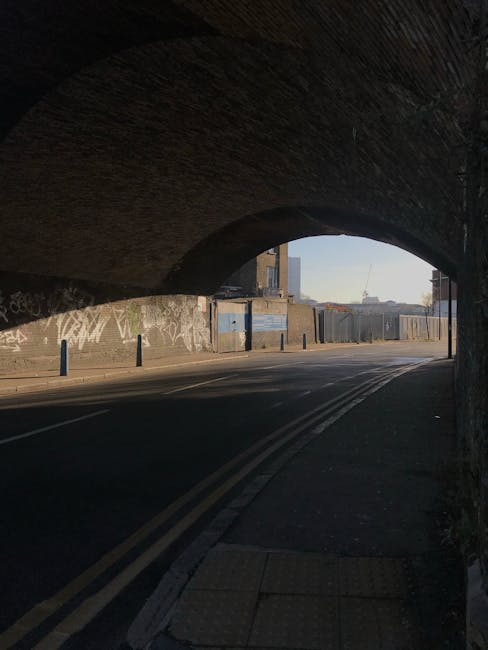
Lea Bridge Road moves: Lower Clapton parking tips (E5)
Posted on 06/05/2026
If you're moving near Lea Bridge Road in Lower Clapton, parking can make or break the day. One awkward double-park, one blocked bay, one van circling the street while your sofa waits on the kerb - and suddenly a simple move feels twice as hard. This guide to Lea Bridge Road moves: Lower Clapton parking tips (E5) is here to help you plan the space, timing, and logistics so your move runs smoothly, safely, and without that last-minute scramble.
Whether you're in a flat near the road, a terraced street just off E5, or handling a bigger house move with a removal van, the same basics matter: know the access, think ahead about loading, and avoid parking mistakes that slow everything down. We'll cover what parking pressures usually look like around the area, how to prepare, what to do on the day, and how to keep the move practical rather than chaotic. Truth be told, a little planning goes a long way here.
Why Lea Bridge Road moves: Lower Clapton parking tips (E5) Matters
Parking is not just a minor detail on moving day. Around Lea Bridge Road and much of Lower Clapton, the mix of residential streets, busy traffic routes, narrow kerbs, corner visibility, and everyday local parking demand can create real pressure. If your van can't stop close enough to the property, every box becomes a longer carry. That adds time, strain, and risk. Simple as that.
For smaller moves, a few extra minutes of carrying may not sound dramatic. But once you're dealing with wardrobes, mattresses, white goods, or a stack of boxes, the difference between a good parking spot and a poor one becomes obvious very quickly. A tidy loading plan can save the day. A poor one can turn a morning into a bit of a mess.
There's also a trust element here. If you're hiring a local man and van service in Lower Clapton or booking a larger move through removals in Lower Clapton, parking logistics are part of the service experience. Good movers don't just lift and transport; they think about where the vehicle can reasonably stop, how long loading will take, and what backup plan to use if the first spot is blocked.
And yes, the street can change the whole tone of the job. A calm move on a wide road feels completely different from a tight E5 street with residents coming and going, delivery vans arriving, and not much spare kerb space. If you've ever stood by the front door looking at a van three doors away and thought, "Well, that's not ideal," you already know why this matters.
How Lea Bridge Road moves: Lower Clapton parking tips (E5) Works
The practical idea is simple: reduce the distance between the van and your front door while staying within local parking rules and keeping traffic moving safely. The best outcome is usually a legal, sensible loading spot close enough to keep carries short, but not so awkward that the van blocks junctions, crossings, or other access points.
In real terms, the process usually looks like this:
- Check the street layout and any restrictions before move day.
- Decide whether you need a loading bay, single yellow area, permit bay, or a short-term stopping point.
- Reserve or request parking support if required, especially for longer moves.
- Plan the order of loading so the van is used efficiently.
- Keep one person focused on access while others carry items out.
That last point is often missed. Someone needs to be watching the doorway, the van position, and the flow of boxes. Otherwise people end up waiting around with items in their arms while the parking situation gets sorted out halfway through. Not great.
If your move involves specialist items, parking matters even more. For example, a piano or bulky furniture needs more careful handling and a shorter, smoother route to the vehicle. If that sounds like your day, it may be worth reading this guide to moving a piano safely and the page for piano removals in Lower Clapton before you book anything.
For people moving out of flats or upper-floor properties, parking and access are even more tightly linked. A van parked just a little too far away can make stair carries tiring fast. If that's your setup, our flat removals in Lower Clapton service page may be useful too.
Key Benefits and Practical Advantages
Good parking planning is not only about avoiding a ticket. It gives you a cleaner, safer, more controlled move. Here's what you actually gain.
| Benefit | What it means on move day | Why it helps |
|---|---|---|
| Shorter carrying distance | Items move from door to van more quickly | Less time, less fatigue, less risk of damage |
| Better safety | Fewer awkward trips across pavement or road edges | Lower chance of slips, bumps, or strained backs |
| Smoother loading | Boxes and furniture can be loaded in a proper sequence | More efficient use of van space |
| Less disruption | Less blocking, less waiting, fewer awkward conversations | Better experience for neighbours and road users |
| Lower stress | One less moving-day headache to deal with | You can focus on the actual move, not parking drama |
There's a quiet benefit too: better parking often helps protect your belongings. A smoother route from door to van reduces the chance of dropping a box, scuffing a sideboard, or scraping a radiator cover. Nothing flashy. Just sensible. And sensible is underrated on moving day.
If you're trying to keep the whole process calm, this stress-free house move guide is a useful companion piece. Parking may be one part of the puzzle, but it sits right at the centre of the experience.
Who This Is For and When It Makes Sense
This advice is relevant if you're moving from, to, or within Lower Clapton and your route involves Lea Bridge Road or nearby streets. In practice, it's especially useful for:
- Flat moves with limited front-door space
- Family house removals needing longer loading time
- Student moves where timing and budget matter
- Office or studio relocations with equipment and boxed files
- Same-day moves where you have less margin for delay
If you're a student, parking can be the hidden snag that turns a fast move into a slow one. A small van, a few strong boxes, and a predictable stop near the property can make a big difference. Our student removals in Lower Clapton page covers the sort of flexible support that often works best in these situations.
For households, the bigger issue is usually volume. The more items you have, the more you need the van close by and the move structured carefully. If you're comparing support options, you might also want to look at house removals in Lower Clapton and the broader services overview to see what level of help fits your day.
And if your move is being done at short notice? Then parking planning matters even more, not less. Same-day moves leave fewer chances to sort things out later, so you need a realistic plan from the start. No grand drama. Just a workable one.
Step-by-Step Guidance
Here's a practical way to approach parking for a move near Lea Bridge Road in Lower Clapton.
- Check the street before booking the van. Walk or look up the area and note where vehicles can stop, where corners narrow, and where loading is likely to be easiest.
- Look for restrictions. Pay attention to bays, yellow lines, and any signs that suggest time limits or permit-only parking. If anything is unclear, assume you'll need to verify it rather than guess.
- Measure your vehicle needs realistically. A small van might fit a shorter stop, while a larger load may need more clear space or longer loading time. Be honest here. Guessing usually costs more later.
- Tell the mover about access issues early. If the road is tight, the entrance is awkward, or you've got no lift, say so in advance. Good planning beats a rushed surprise.
- Prepare the property. Move boxes close to the door, clear hallways, and keep fragile items separate. If your home needs a proper move-out reset, this move-out day preparation guide can help.
- Load the van in order. Put heavy or awkward items in first, then build around them. If you're not sure how to structure packing, the article on organising your packing for a hassle-free move is worth a look.
- Use a backup plan. If your preferred stopping point is taken, know the next-best option. A second choice saves time and cuts stress when the road is busier than expected.
- Keep the route clear. Ask someone to hold doors, guide the mover, and watch for pedestrians or cyclists. It sounds basic, but it matters a lot.
A small practical point: if you're moving mattresses, beds, or bulky frames, parking position affects handling more than people expect. A few extra metres can make a mattress flex awkwardly in the wind, which is about as fun as it sounds. For more on that, see these bed and mattress relocation tips.
Expert Tips for Better Results
Most move-day parking problems are avoidable with a few experienced habits. Here are the ones that tend to help most.
- Choose the right time of day. Early starts are often easier, especially on roads with commuter traffic or school-run movement. Less competition for space is the goal.
- Keep bulky items grouped. If you know a sofa, table, or wardrobe is going out first, keep the route open for that item. Don't bury it under smaller boxes.
- Use good lifting habits. Parking alone won't save a bad lift. Safe body positioning matters. You can read more in this piece on kinetic lifting and single-handed heavy lifting.
- Declutter before the van arrives. Less stuff means less loading time and less pressure to find a perfect parking spot for too long. The guide to decluttering before relocating is a smart starting point.
- Ask about the vehicle size before you book. Too small and you need extra trips. Too large and the street may become awkward. Balance matters.
- Keep important documents and valuables separate. Parking issues are easier to handle when your keys, contracts, IDs, and essentials are not buried under a stack of bedding.
One thing we see often: people focus on box counts but ignore the physical shape of the move. A room full of smaller items may be easier than one oversized sofa. Parking, van access, and item shape all influence the day. It's a bit like moving a puzzle, except the pieces are heavy and the clock is ticking.
For furniture-heavy jobs, the page on furniture removals in Lower Clapton is a useful match, especially if you're planning around larger household items rather than just boxes.

Common Mistakes to Avoid
Most parking trouble on move day comes from a few repeat mistakes. Avoid these and you've already improved your chances of a smoother move.
- Assuming you'll "find a spot on the day." In a busy part of E5, that is not a plan. It's a hope. And hope is fragile when a van is waiting.
- Ignoring loading time. A space that works for a quick drop-off may be useless for a full house move.
- Blocking access without thinking. You want to avoid causing problems for neighbours, emergency access, pedestrians, or turning traffic.
- Not telling the mover about stairs, narrow access, or distance. The crew needs the full picture. Otherwise they're reacting instead of preparing.
- Leaving packing too late. If you're still taping boxes while the van is outside, parking pressure becomes much worse than it needed to be.
- Forgetting special items. Heavy furniture, white goods, and fragile instruments need more time and space than average items.
To be fair, most of these mistakes happen because moving day is busy and people are juggling too many tasks. That's normal. Still, a little order makes a huge difference.
If you're worried about larger items in storage or transit, the guide on protecting sofas during storage and storing a freezer properly may also help you avoid extra damage while planning the move.
Tools, Resources and Recommendations
You do not need fancy equipment to handle parking well, but a few simple tools can help a lot.
- Phone maps and street view: useful for checking approach roads and pinch points ahead of time.
- Notes app or moving checklist: keep a record of access issues, timings, and backup spots.
- Boxes of a consistent size: easier to stack, easier to load, easier to move quickly.
- Blankets, straps, and tape: practical for securing items once they're in the vehicle.
- Clear labels: help the crew load items in the right order, reducing back-and-forth.
It also helps to choose the right type of support. If you just need transport and loading help, a removal van in Lower Clapton may be enough. If you want a more hands-on service with flexible loading support, man with a van in Lower Clapton or man and van in Lower Clapton can be a better fit depending on the size of the job.
And if the move is tied to storage between properties, that changes the parking plan slightly because you may be loading items in stages. The storage in Lower Clapton page can help if you need a temporary stopover for furniture or boxes.
Law, Compliance, Standards, or Best Practice
Parking near a move is not just a convenience issue. You still need to stay within local parking controls and behave reasonably around other road users. The exact rules depend on the street, the time of day, and the signage in place, so don't rely on assumptions from one road to the next.
As a general best practice in London, you should:
- Check nearby signs carefully before stopping or unloading.
- Avoid blocking driveways, crossings, corners, or visibility lines.
- Allow enough room for pedestrians, pushchairs, and wheelchairs where possible.
- Use loading areas only in the way they are intended to be used.
- Plan ahead if permits, time windows, or special access arrangements may apply.
If you are unsure about restrictions, it is better to verify them in advance rather than improvise. That advice sounds obvious, but people still do it the hard way every week. Street parking rules can feel fiddly, especially in areas where bays and loading spaces change from one stretch to the next.
For peace of mind, it also helps to choose movers who operate with proper care and policies behind them. You can review the company's health and safety policy, read about insurance and safety, and check the terms and conditions before booking. These are boring pages in the best possible way - and boring is good when you're trusting someone with your furniture.
Options, Methods, or Comparison Table
If you're planning a move near Lea Bridge Road, there are usually a few ways to handle the parking and access side. The right choice depends on your load, your property, and how much help you want on the day.
| Option | Best for | Pros | Trade-offs |
|---|---|---|---|
| Self-managed parking | Very small moves | Flexible, low-cost, simple if the street is quiet | More risk if the road is busy or space is limited |
| Man and van support | Light to medium moves | Hands-on help, quicker loading, easier coordination | Still needs a sensible stop near the property |
| Full removal service | House moves, larger flats, bigger furniture loads | More structure, less stress, better handling of awkward items | Needs clearer planning and more time |
| Same-day booked support | Urgent or changing plans | Fast response when time is tight | Less room for perfection; parking must be thought through early |
If you're weighing up services, the pages for removal services and removal companies in Lower Clapton can help you compare the type of support you need. The best option is the one that matches the property access, not just the number of boxes. That's the key bit.
Case Study or Real-World Example
Here's a realistic example. A tenant in a Lower Clapton flat off Lea Bridge Road needed to move on a Saturday morning with a two-room load: boxes, a bed, a sofa, a dining table, and a freezer. The first plan was to park directly outside, but by the time the van arrived, that space had been taken.
Instead of freezing up - no pun intended, though it was nearly that - the mover used a second-choice loading point a short walk away. The team had already packed the heaviest items near the exit, so they could load quickly once the van was positioned. The result was not perfect, but it was controlled. No rushing. No damage. No shouting across the street.
What made it work?
- The access plan was discussed before the move.
- Large items were packed first and kept accessible.
- The team had a backup stopping point ready.
- Someone stayed focused on the doorway while others carried.
If that move had included a piano or extra fragile items, the parking and loading plan would have needed even more precision. That's where pages like how to keep a house move calm and bed and mattress relocation tips become genuinely useful, because the work is not just about carrying things - it's about carrying them in the right order, at the right pace.
Practical Checklist
Use this before the van arrives. It's simple, but it catches a lot of avoidable problems.
- Check the exact address and the best stopping side of the road.
- Confirm the move time and allow a little buffer.
- Look for any parking restrictions or loading signs.
- Choose a backup parking spot nearby.
- Tell the mover about stairs, narrow entrances, or long carries.
- Move boxes and loose items close to the exit.
- Keep fragile items labelled and separate.
- Make sure keys, documents, and valuables stay with you.
- Clear hallways and protect floors if needed.
- Have water, phone charge, and a contact number ready.
Expert summary: the best Lea Bridge Road move is rarely the one with the perfect parking space. It is the one with a realistic plan, a short carry, a sensible fallback, and enough calm to deal with small surprises without turning them into a crisis.
Get a free quote today and see how much you can save.
Conclusion
Parking near Lea Bridge Road in Lower Clapton does not need to be complicated, but it does need attention. If you treat it as an afterthought, it can quickly become the most annoying part of the move. If you plan it early, it becomes one of the easiest things to get right.
The main idea is straightforward: know the street, keep the carry short, prepare the load properly, and work with a mover who understands local access. That combination keeps the day moving, literally. And once the van is parked well, everything else tends to feel more manageable.
If you're comparing options, start with the type of service that fits your property and the amount of stuff you actually have. Then use the local guides and service pages to shape your plan around the road, not against it. That's where the real improvement happens.
In the end, a smooth move is often built on very ordinary decisions made at the right time. Parking is one of them. Get it right, and the rest of the day has a much better chance of being quietly successful.